

When AI Outpaces Us: The Race Between Bug Discovery and Patch Deployment
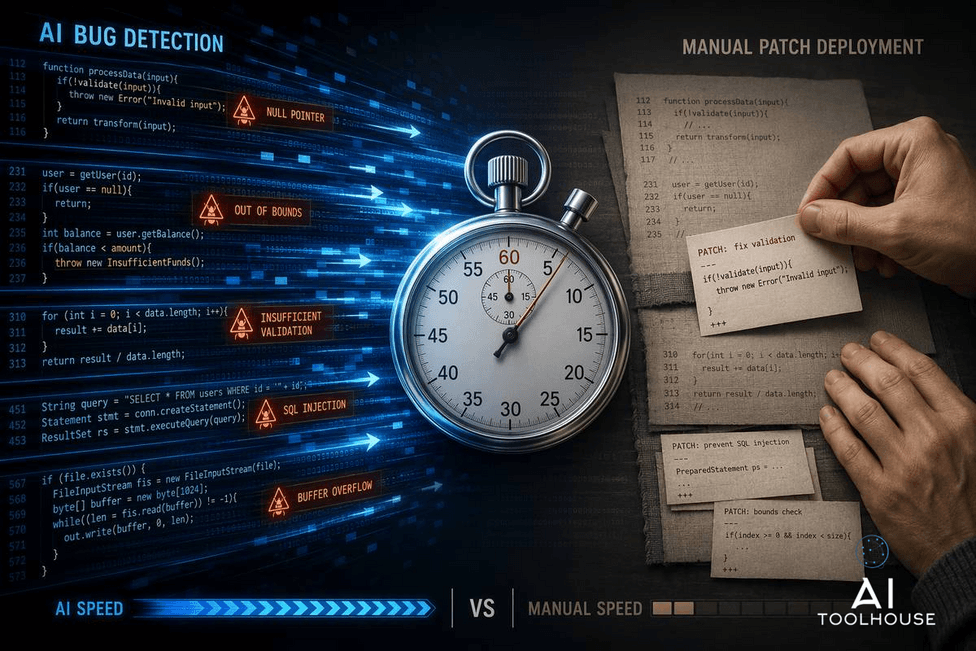
AI-driven vulnerability detection is rapidly uncovering old and new bugs faster than organizations can patch them, reshaping the cybersecurity landscape and challenging traditional software security workflows.
On this page
Introduction
In the swiftly evolving landscape of cybersecurity and software development, artificial intelligence (AI) is playing a transformative role in vulnerability detection. Recently, AI-powered tools have begun to identify software bugs and security vulnerabilities at unprecedented speeds—often faster than the time it takes organizations to develop and deploy patches. This growing phenomenon highlights new challenges and redefines how enterprises must approach software security.
AI-Driven Bug Detection: A Quantum Leap
AI models trained on vast amounts of code and vulnerability data can now scan legacy and modern codebases with remarkable efficacy.
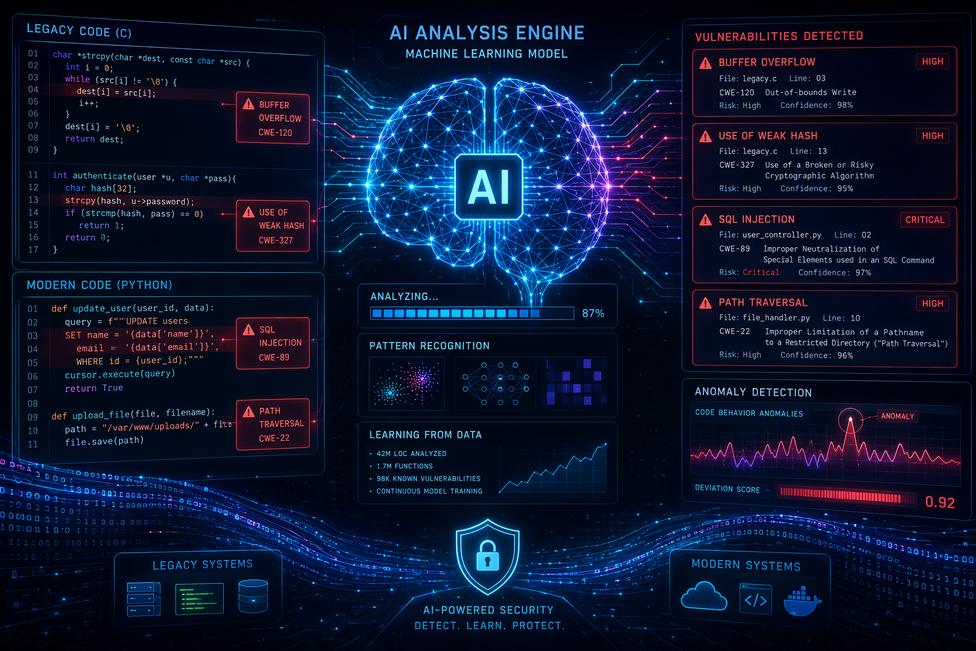
Unlike manual audits or traditional automated scanners, AI leverages pattern recognition, anomaly detection, and contextual understanding to uncover obscure, previously undetected bugs.
For example, advanced AI systems have successfully identified intricate security holes like the recently highlighted PHP2Shell vulnerability, urging urgent patching before exploitation occurs. This capability is a double-edged sword: it accelerates risk awareness but demands rapid, coordinated patch management efforts to prevent vulnerabilities from being exploited[5].
Why Are AI-Discovered Bugs Outpacing Patch Deployment?
Several systemic factors explain why AI’s rapid bug discovery surpasses patch rollout speeds:
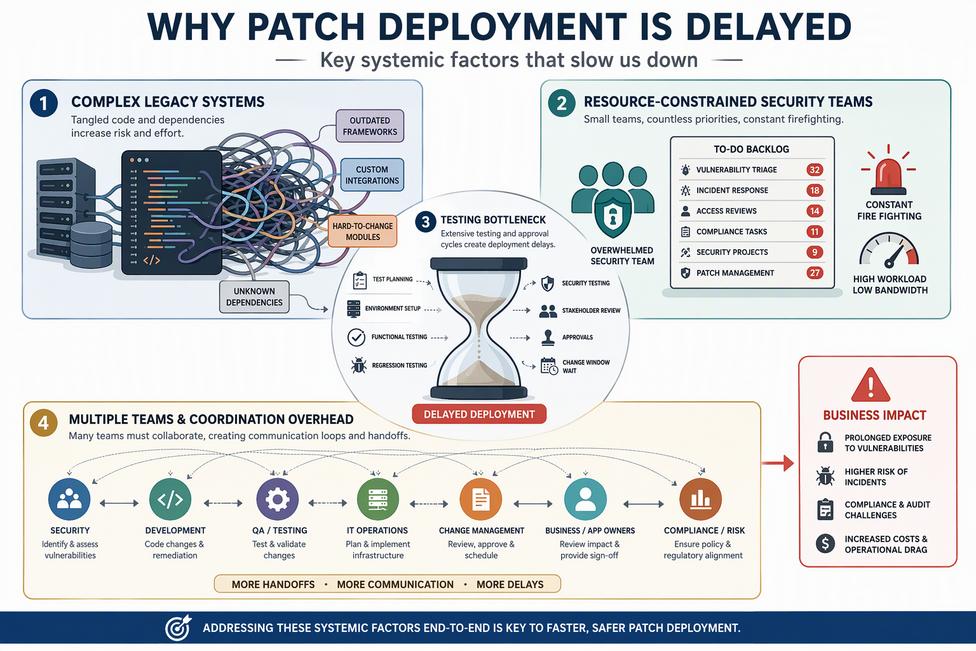
- Legacy System Complexity: Older codebases often lack proper documentation or contain deprecated components, making fixes time-consuming.
- Resource Constraints: Security teams frequently prioritize reactive measures rather than proactive comprehensive patching.
- Testing Bottlenecks: Accurate patch validation to ensure no disruption often slows deployment.
- Coordination Overhead: Large systems require cross-team collaboration and vendor alignment, delaying fixes.
Moreover, AI can find bugs hidden deep within interconnected systems, increasing the difficulty of crafting precise, effective patches swiftly.
The Practical Implications for Organizations
Heightened Security Awareness
The accelerated rate of vulnerability discovery forces organizations to reassess risk posture more dynamically. Continuous monitoring and rapid triage processes become essential.
Shift Toward Proactive Security Measures
Companies are increasingly adopting AI-assisted tools not only to detect bugs but also to assist developers in patch creation, reducing human error and speeding remediation cycles.
Pressure on DevOps and Security Teams
DevOps workflows are evolving to integrate AI findings seamlessly, automating patch testing and deployment where possible. This shift demands upskilling teams and investing in AI-supported security platforms.
AI Tools Enhancing Code Audits and Patch Generation
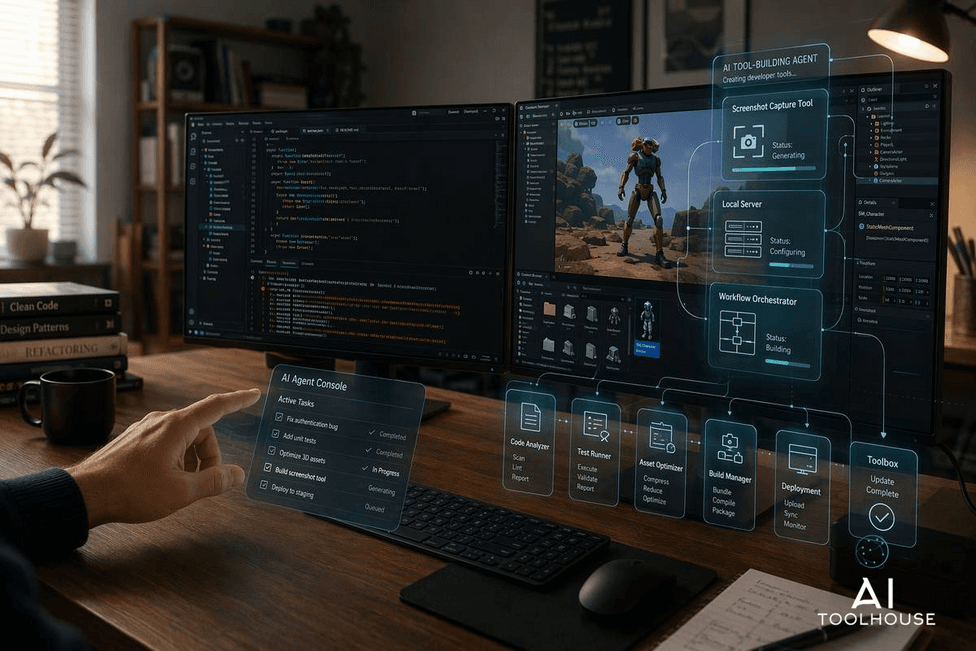
Tools like Cursor and Claude Code exemplify how AI aids developers by automating code audits and suggesting fixes.
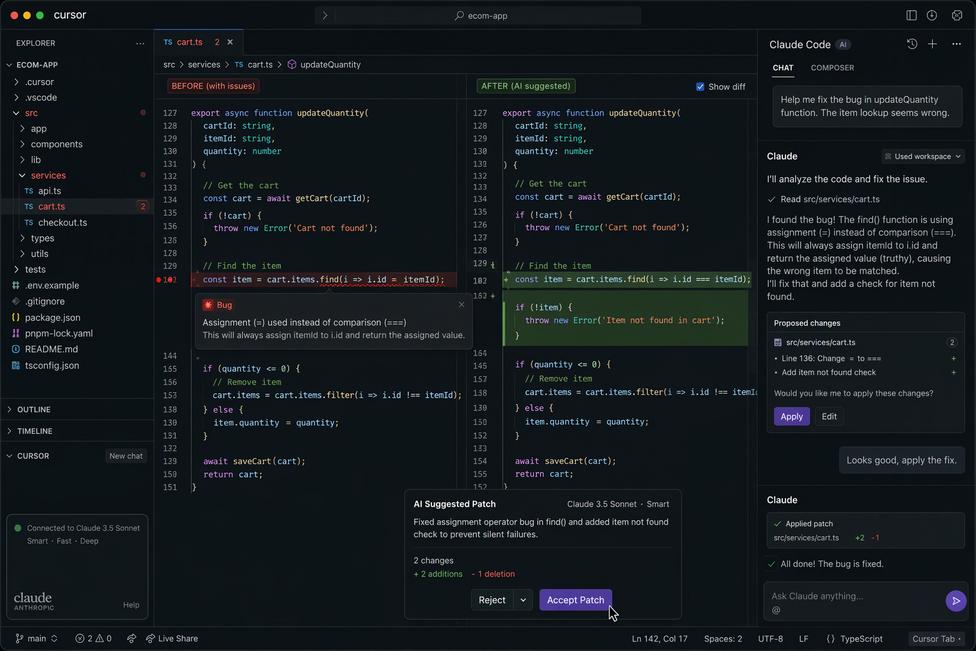
These AI assistants help reduce manual coding efforts and improve accuracy.
- Cursor: Known for its efficiency in code generation and bug fixing, it helps programmers identify coding errors faster, reducing debugging time.
- Claude Code: Provides intuitive AI-powered code understanding and recommendations, streamlining patch development[1][3].
By integrating these AI tools, organizations can better keep pace with vulnerabilities discovered by AI itself, turning a challenge into a tactical advantage.
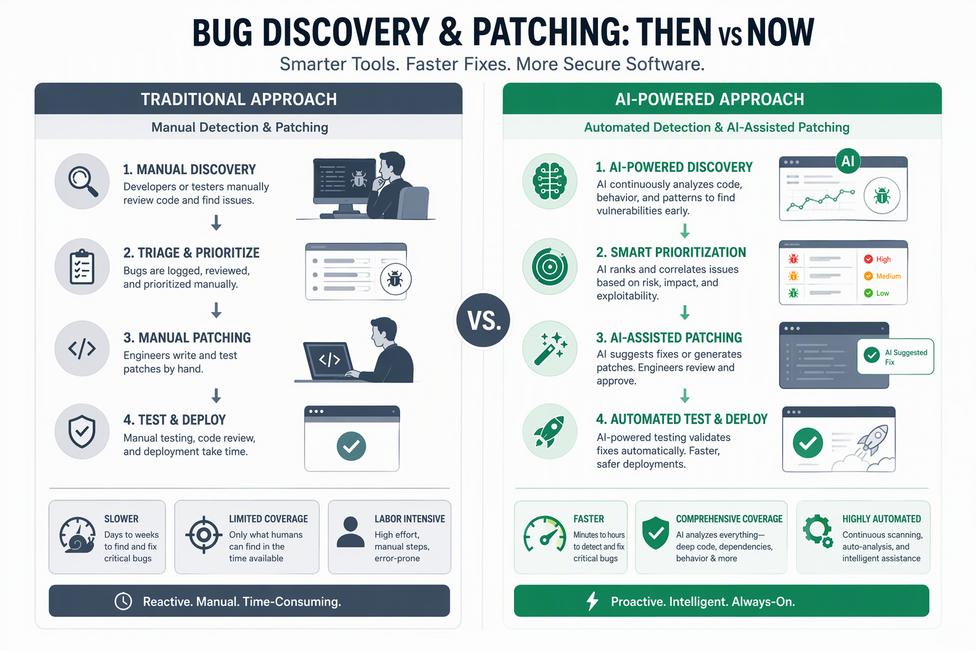
Comparison: Traditional vs AI-Powered Bug Discovery and Patching
| Aspect | Traditional Methods | AI-Powered Discovery |
|---|---|---|
| Detection Speed | Slower, manual or semi-automated | Rapid, automated with pattern recognition |
| Coverage | Limited by human knowledge and tool scope | Extensive, including legacy and obscure bugs |
| Patch Generation | Manual coding and testing | Assisted patch suggestion and automation |
| Resource Demand | High human effort, slow turnaround | Optimized with AI-driven workflows |
This table highlights how AI redefines both detection and patching capabilities, though operational adaptations are crucial.
Challenges and Considerations
Despite AI’s promise, some challenges remain:
- False Positives: AI tools may flag benign code as vulnerable, requiring human verification.
- Patch Complexity: Some AI-identified bugs demand intricate fixes needing expert input.
- Security Risks: Publicly disclosed AI-driven vulnerability findings could be exploited before patches are applied.
Organizations must balance leveraging AI’s speed with meticulous validation and controlled release of vulnerability information.
Looking Ahead: The Future of Bug Patching in an AI Era
To keep pace with AI’s bug-finding prowess, future strategies will likely emphasize:
- Automated Patch Integration: Developing AI systems that not only detect but also autonomously generate and test patches.
- AI-Augmented Human Teams: Combining AI efficiency with human expertise for nuanced decision-making.
- Collaborative Security Ecosystems: Sharing AI-driven vulnerability data securely across industries to enhance collective defense.
Such directions promise to transform software security, making it more resilient and responsive.
Conclusion
The rise of AI in vulnerability detection marks a paradigm shift in how software bugs are discovered. While AI’s ability to identify old and new bugs faster than traditional methods offers unparalleled benefits, it simultaneously exposes a critical gap in patch deployment speed. Organizations must adapt by embracing AI-assisted development and security workflows, automating patch integration where possible, and fostering collaboration among teams. Maintaining robust security in the AI era demands agility, advanced technological adoption, and a proactive mindset to convert the challenges of rapid vulnerability exposure into opportunities for stronger, more resilient systems.