

Inside Simon Willison’s Weblog: Insights into Web Engineering and AI Innovations
Explore Simon Willison's influential weblog, highlighting his work on open-source projects, AI-assisted coding techniques, and cutting-edge browser technology like Ladybird. Discover how his insights shape web development and AI tooling.
On this page
Who is Simon Willison?
Simon Willison is a prominent figure in the tech community known for his contributions to web development, open-source software, and his insightful commentary on emerging technologies. He is a co-creator of the Django web framework and is actively involved in projects like Datasette. His weblog serves as a platform to share deep technical explorations, experiences with AI-assisted programming, and reflections on software engineering trends.
The Scope and Impact of Simon Willison’s Weblog
Simon’s weblog is a rich resource covering a wide array of topics including Python programming, web engineering, database technology, and advancements in AI. With over a thousand dedicated posts, the weblog provides not only tutorials and project updates but also thoughtful analysis of software development methodologies and tooling innovations.
The content stands out by blending practical, hands-on technical guidance with strategic perspectives on how technology evolves. This makes it valuable for both professional developers and tech enthusiasts aiming to stay informed about foundational as well as cutting-edge trends.
Highlight: Ladybird Browser Alpha by Simon Willison
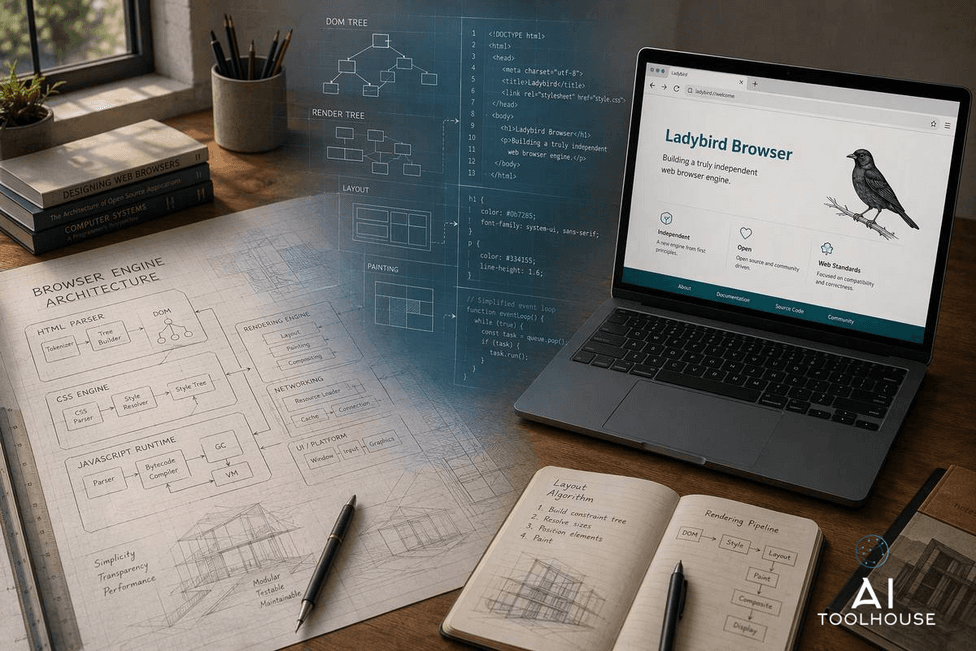
One of the standout recent topics on Simon Willison’s weblog is his coverage of the Ladybird browser’s first alpha release. Ladybird represents a significant innovation in browser engineering:
- Modern Web Browser Architecture: Ladybird is built almost entirely from scratch, implementing a full stack including HTML parsing, CSS engines, JavaScript runtime, and even WebAssembly execution.
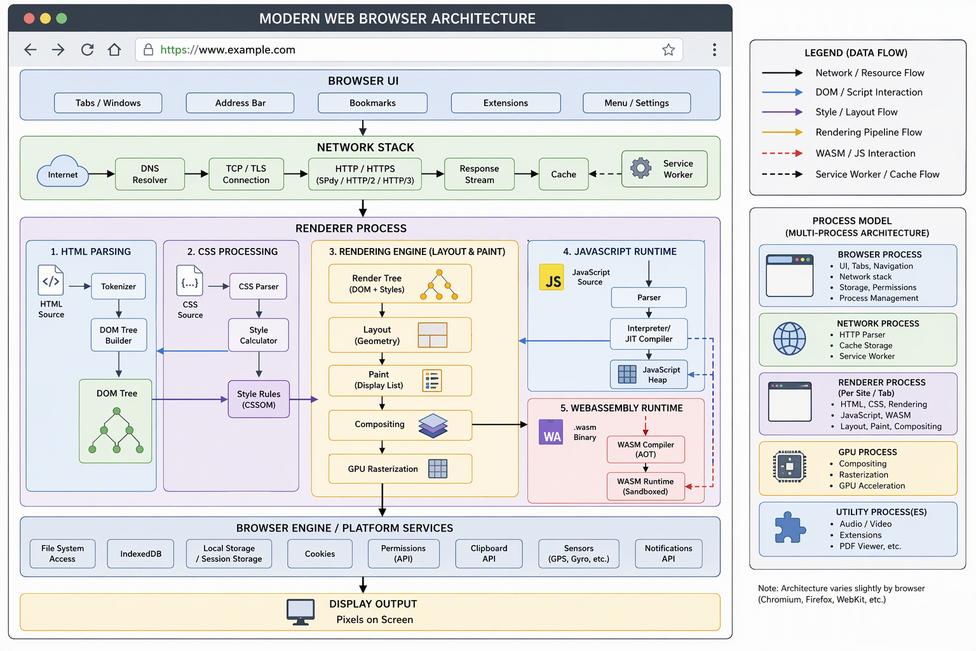
- Open-source Roots: It reuses some key open components like HarfBuzz for text shaping and Skia for graphics rendering but is predominantly developed as part of the SerenityOS ecosystem.
- Performance and Usability: Despite being an alpha release, Ladybird impressed with its lightweight, responsive UI and compatibility with complex web apps and tools, like video compressors and Python REPLs running in WebAssembly.
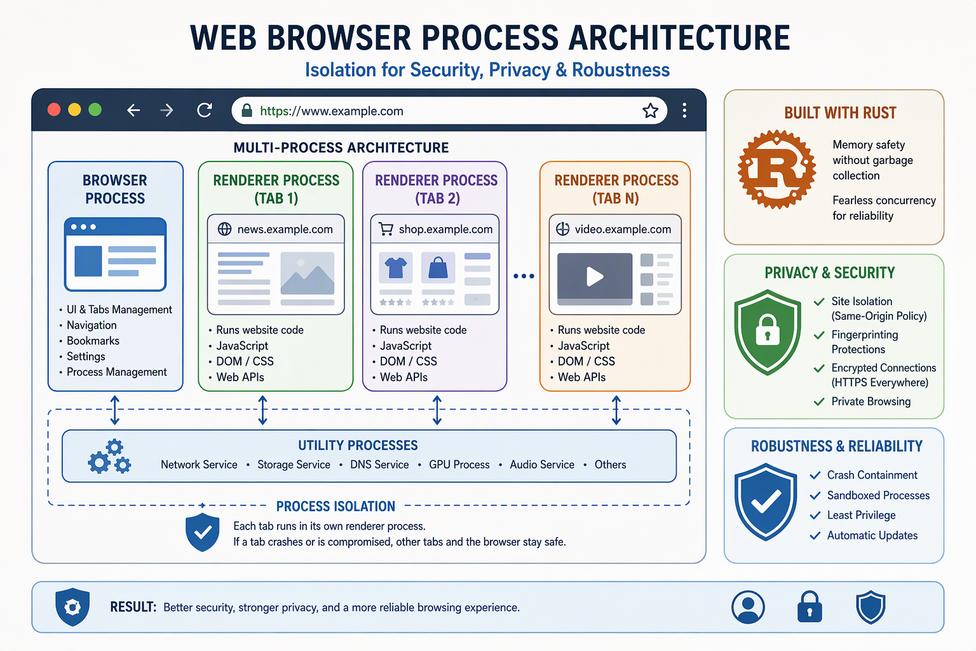
- Security and Privacy Emphasis: The project aims for transparency and invites the security community to test and improve it rigorously.
This initiative is particularly intriguing as it revives browser engine development competition, which has been dominated by few major players for years. Ladybird’s approach to process isolation (separate processes per tab) and use of modern languages like Rust for critical components showcases the forefront of browser technology development.
AI and ‘Vibe Coding’ in Simon Willison’s Work
Simon Willison also explores the buzz around AI-assisted programming, notably ‘vibe coding’, a concept popularized by Andrej Karpathy and discussed extensively on Simon’s platform. Vibe coding focuses on rapid, natural-language-driven coding workflows empowering developers to build applications more intuitively with AI support.
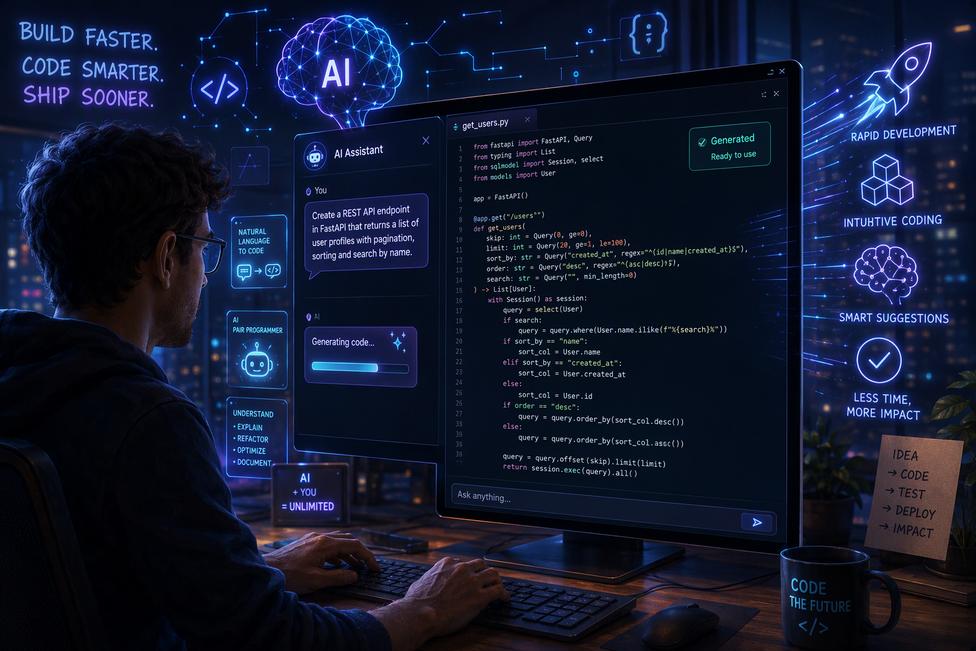
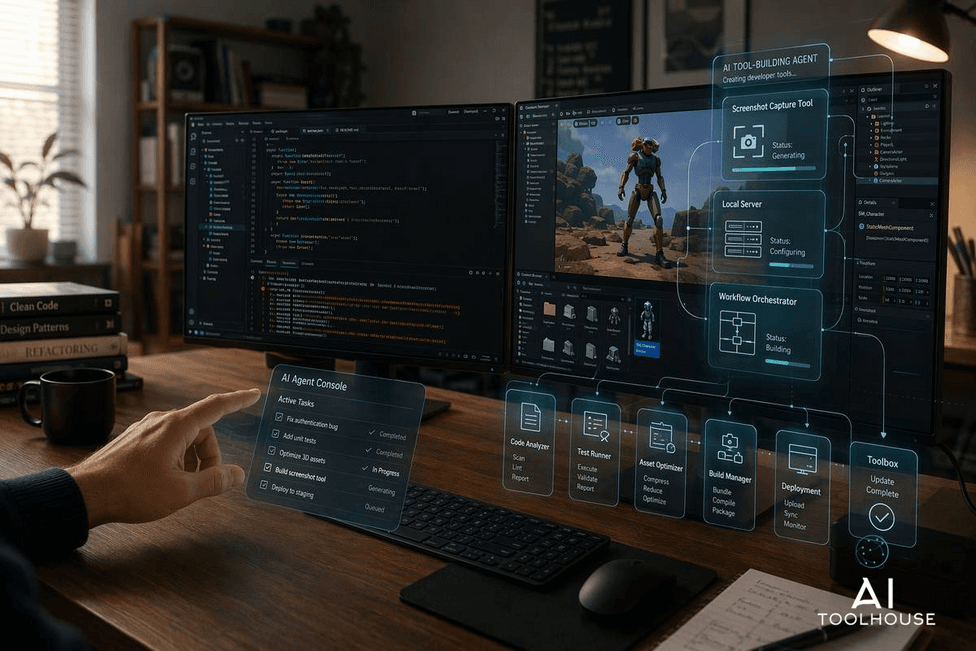
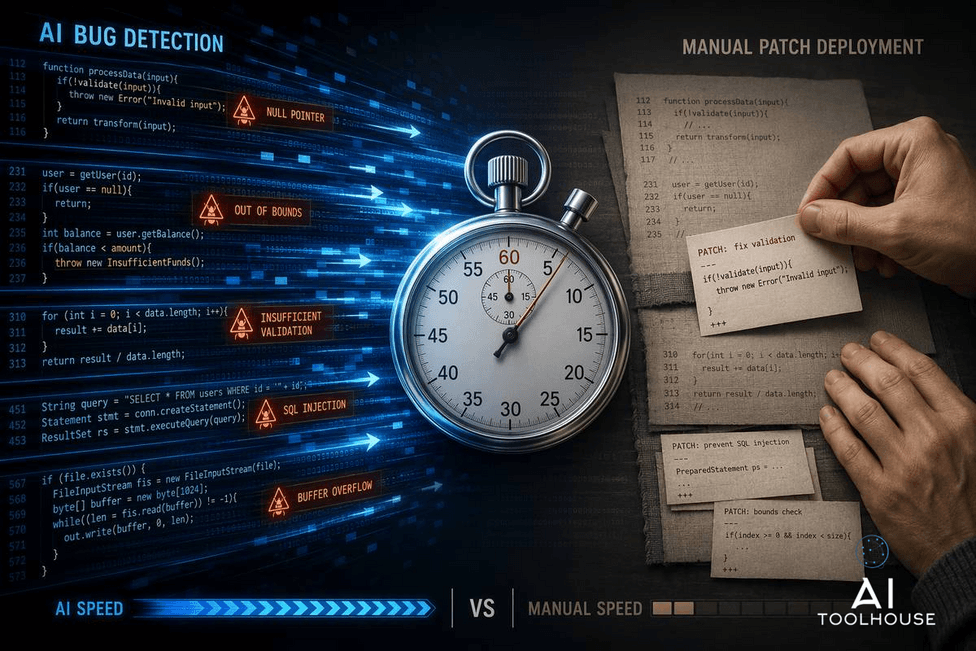
Simon highlights how not all AI-assisted programming strictly fits this vibe coding ideal but underscores its growing influence. His writings reflect on the practical use of AI tools like Claude Code and OpenAI’s Codex, particularly in accelerating bug fixes and feature development within projects like Ladybird.
This AI-driven productivity shift represents a critical emerging pattern in software engineering: leveraging agentic coding assistants to rapidly improve software quality and capabilities, sometimes achieving significant breakthroughs in compressed timeframes.
Community and Ongoing Innovation
Simon Willison’s weblog doubles as a community hub where he reports on collaborative open-source endeavors, shares experimental projects, and discusses challenges such as integrating Pyodide (Python compiled to WebAssembly) into web environments.
His active engagement with complex use cases, like testing advanced browser features and AI coding bugs, provides readers with insights on practical challenges and solutions. This nurtures a vibrant discourse among developers about future tech trajectories.
Why Follow Simon Willison’s Weblog?
- Authoritative Insights: Updated commentary from an experienced developer and AI industry observer.
- Technical Depth: In-depth explorations of web browsers, programming languages, and AI tools.
- Early Access to Innovation: Coverage of alpha-stage software like Ladybird gives readers front-row seats to emerging technologies.
- Community Engagement: Opportunities to participate in testing and contribute to open-source projects.
Typical Topics Covered
- Web development trends and toolkits
- AI programming assistants and techniques like vibe coding
- Open-source project updates, including browser and database tools
- Deep dives into Python and JavaScript advancements
- Innovations in Rust and WebAssembly implementations
Conclusion
Simon Willison’s weblog is an essential destination for developers and technologists wanting to understand the intersections of modern web engineering, open-source innovations, and AI-enhanced programming. It uniquely combines hands-on technical tutorials with thoughtful reflections on the future of software development.
The active reporting on ambitious projects like Ladybird and engagement with AI coding agents demonstrates how Simon’s work not only documents but actively shapes the tech landscape. Following his weblog offers a window into the ongoing evolution of coding practices, browser technology, and AI tooling, providing invaluable insights for professionals aiming to stay at the forefront of these dynamic fields.