

Inside the Agent-Native Hackathon: Spotlight on Winners and Innovations
Discover the standout projects and technologies from the Agent-Native hackathon, a dynamic competition that gathered 221 innovative entries competing for $10,000 in prizes.
On this page
Introduction to the Agent-Native Hackathon
The Agent-Native hackathon recently showcased an impressive gathering of developer talent and AI innovation, drawing in 221 entries over two intense weeks. This competition highlighted new developments in autonomous AI agents, focusing on enhancing user-agent interactivity and automation capabilities. A total prize pool of $10,000 was awarded, distributed among multiple category winners along with a grand prize recipient.
Overview of the Competition and Its Significance
Hackathons like Agent-Native serve as vital platforms for pushing the boundaries of AI agent technologies. By fostering creative approaches to agent development, these events accelerate the integration of AI-driven solutions in practical settings—especially in customer support, automation, and task management environments.
Spotlight on the Grand Prize Winner: Muscle Memory
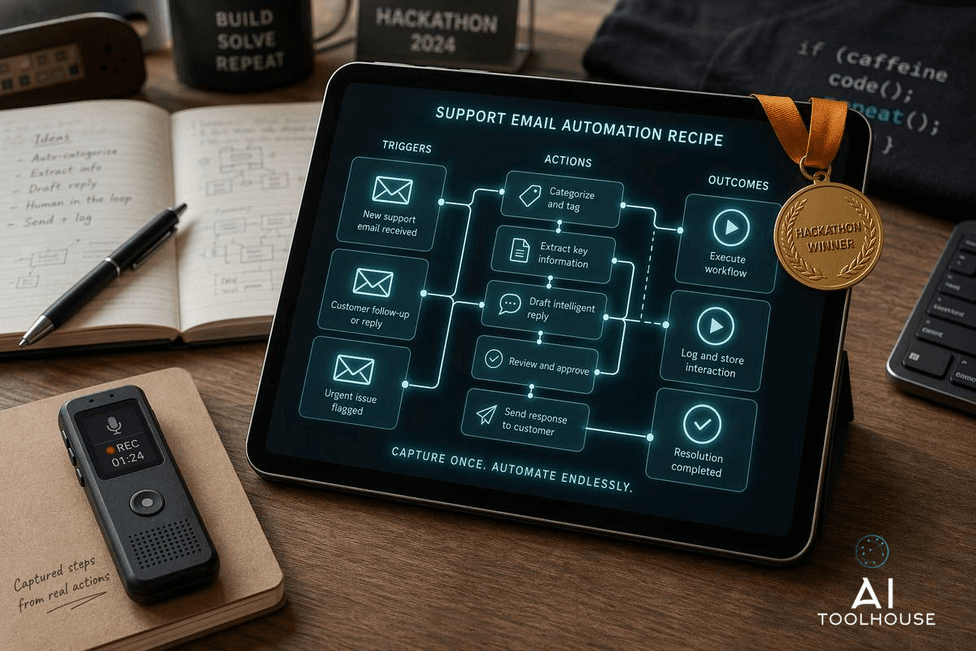
Topping the contest was Muscle Memory, a compelling project that innovatively turns recorded support-email actions into zero-token "recipes." This approach eliminates the traditional token-based limitations seen in many language models and agent frameworks, enabling more efficient and cost-effective automation workflows.
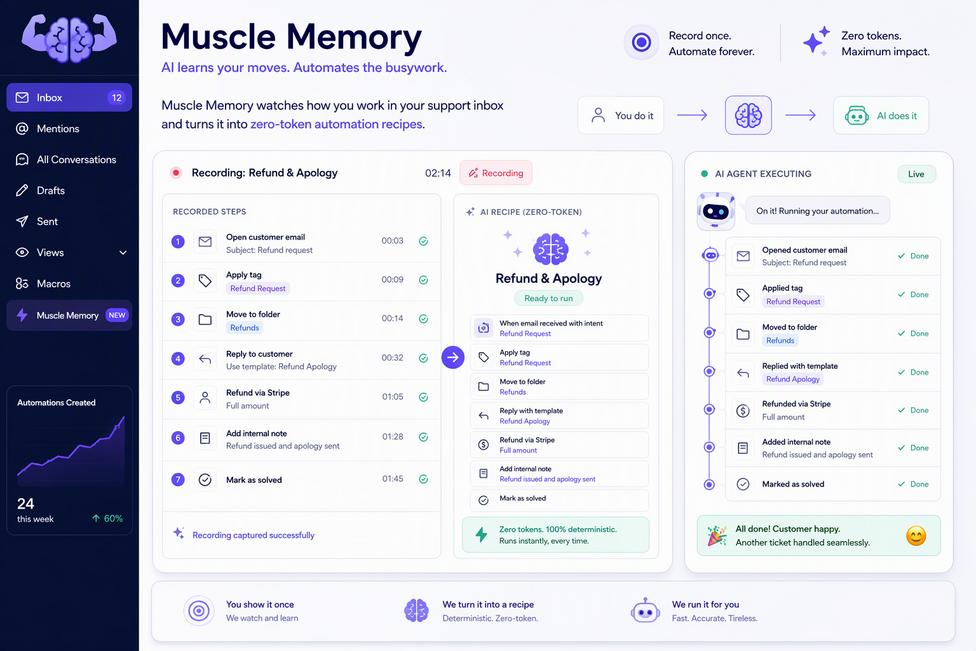
Muscle Memory’s design significantly reduces user friction by leveraging recordings to replicate tasks, making it an outstanding solution for support teams seeking rapid automation without extensive custom coding.
Other Noteworthy Winners and Their Innovations
The hackathon recognized multiple category champions who each contributed unique innovations:
- Agent Handling Enhancements: Developing improved frameworks for seamless agent switching and state management.
- Automation Recipes: Creating modular, reusable workflows that agents can deploy autonomously.
- User Interaction Models: Designing intuitive interfaces that facilitate natural interactions between humans and AI agents.
These solutions underscore a strong trend toward enhancing agent autonomy and practical usability, driving AI agents closer to real-world deployment.
Technical Insights into Agent-Native Projects
Entries in the Agent-Native hackathon heavily leveraged advanced techniques such as:
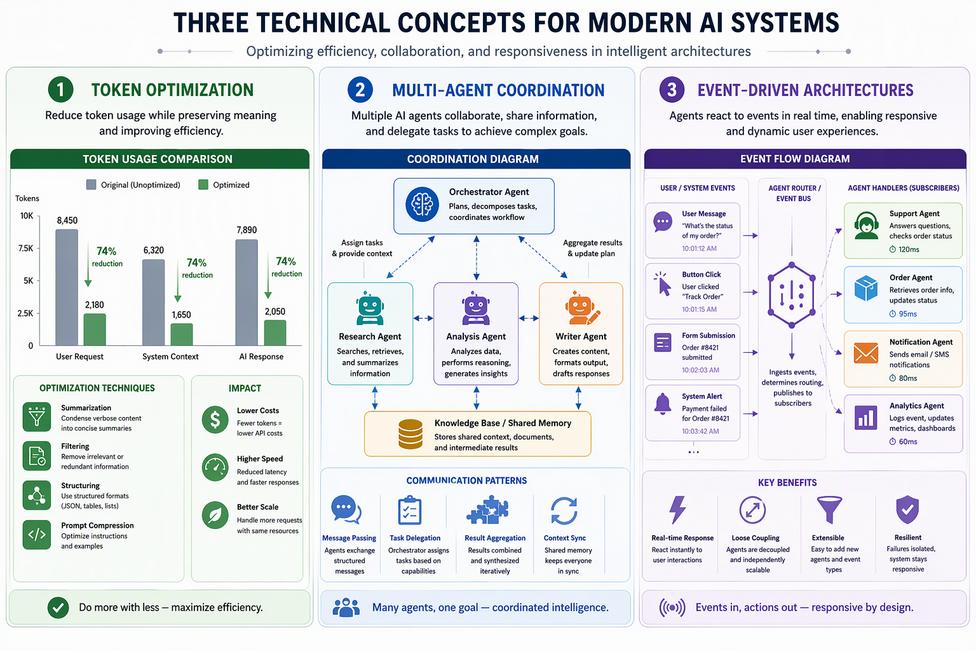
- Token Optimization: Reducing computational costs by minimizing tokens during task execution.
- Multi-Agent Coordination: Facilitating communication and task delegation among several AI agents within a system.
- Event-Driven Architectures: Enabling agents to respond dynamically to user inputs and environmental changes.
These technical strategies not only improve performance but also broaden the application scope of AI agents in diverse domains.
Practical Implications for AI Agent Development
The solutions emerging from this hackathon illuminate the growing maturity in AI agent development:
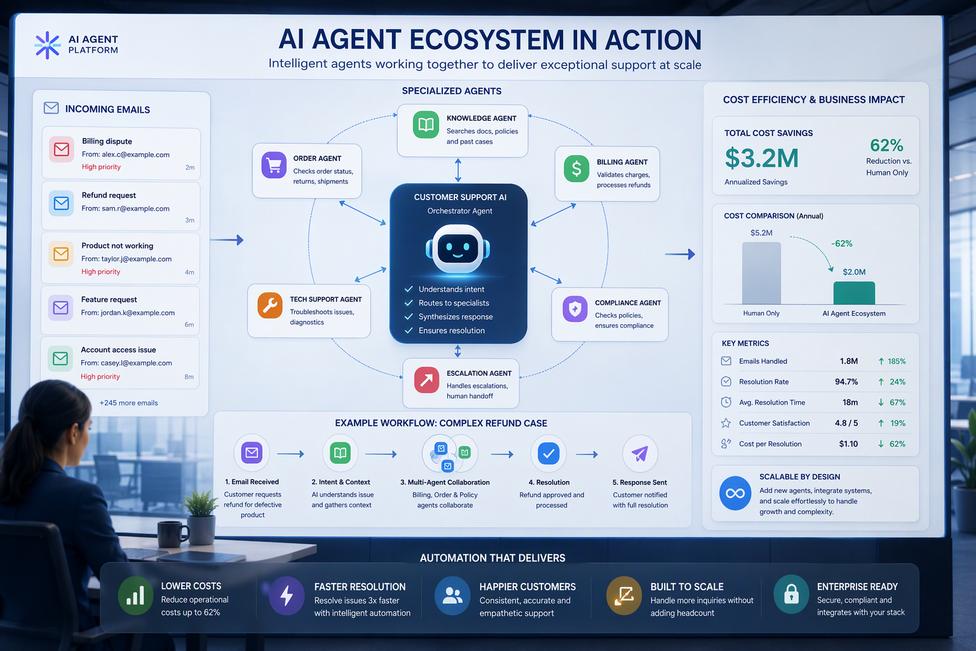
- Enhanced Support Automation: Tools like Muscle Memory can revolutionize customer service by automating repetitive email support tasks with minimal manual intervention.
- Scalable Agent Ecosystems: Improved multi-agent handling paves the way for complex agent networks capable of executing sophisticated workflows.
- Cost Efficiency: Token optimization strategies directly translate to cost savings and better resource management for enterprises deploying AI agents.
These advancements collectively point to a future where AI agents are more adaptable, efficient, and user-friendly.
Comparative Analysis with Other AI Agent Frameworks
Compared to broader AI agent ecosystems, the Agent-Native hackathon projects tend to emphasize practical, deployable innovations rather than speculative research. This pragmatic approach resonates well within the domain of enterprise applications, placing a strong focus on:
- Usability
- Cost-effectiveness
- Integration simplicity
This makes the hackathon’s output particularly relevant for organizations aiming to implement AI agents in customer-facing or operational capacities swiftly.
Conclusion
The Agent-Native hackathon has successfully spotlighted cutting-edge innovations in AI agent technology, particularly through the inspiring example of Muscle Memory and other category winners. Their approaches to token optimization, agent management, and automation workflows signal significant strides in making AI agents more autonomous, efficient, and practical for real-world applications. As AI agent development continues to evolve, such competitions foster the creative problem-solving and technical refinement essential for moving these technologies from experimental stages into everyday tools. The momentum generated by this hackathon promises to influence the trajectory of AI agents, encouraging developers to build ever-more sophisticated and accessible solutions that empower users and enterprises alike.